Fast, Flavorful, and Waste‑Wise Dinners
Weeknights deserve delicious calm, not chaos, so tonight we’re diving into plant‑based weeknight recipes with minimal waste, celebrating speedy techniques, versatile staples, and thoughtful reuse that keeps scraps out of the bin. Expect vibrant flavors, clever shortcuts, and gentle sustainability wins that add up. Share your own smart swaps in the comments, invite a friend to cook along, and subscribe for fresh ideas that respect your time, budget, and the planet without sacrificing comfort, creativity, or the joy of a beautiful plate.

Smart Prep for Busy Evenings

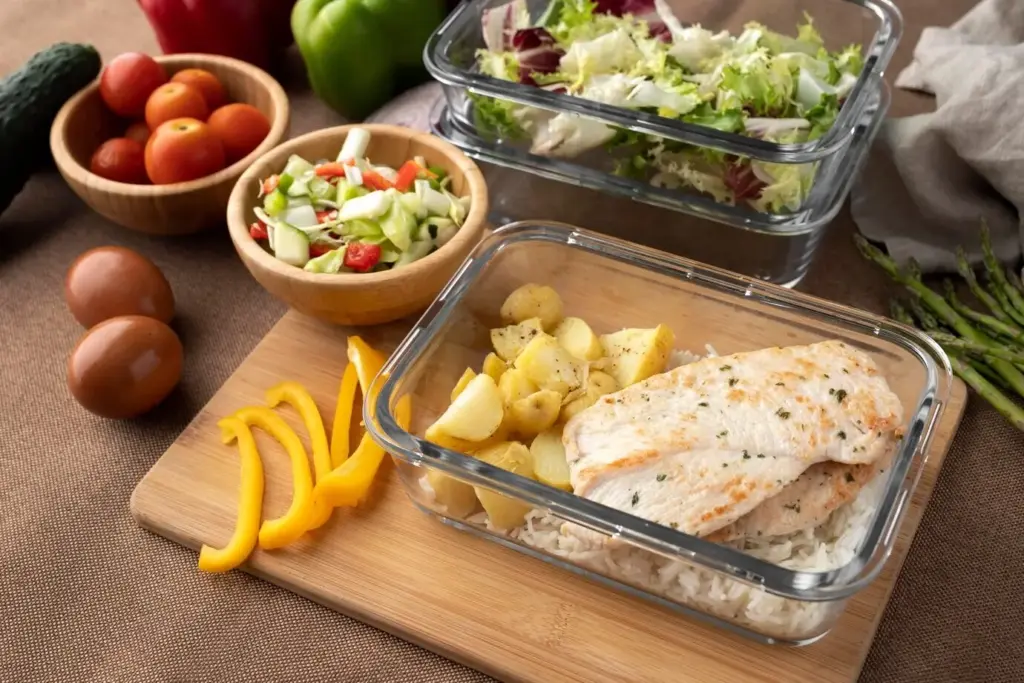
Quick dinners begin long before the pan heats up. A modest bit of planning transforms weeknights from frantic to effortless, especially when meals rely on plant-forward staples and mindful use of every ingredient. We’ll lean on batch‑cooked grains, prepped veggies, and flexible sauces that welcome leftovers without feeling repetitive. With a few containers, a clear fridge, and a five-minute planning ritual, you’ll reduce waste, dodge takeout, and gain back precious evening minutes for conversations, stretching, or a calm cup of tea.
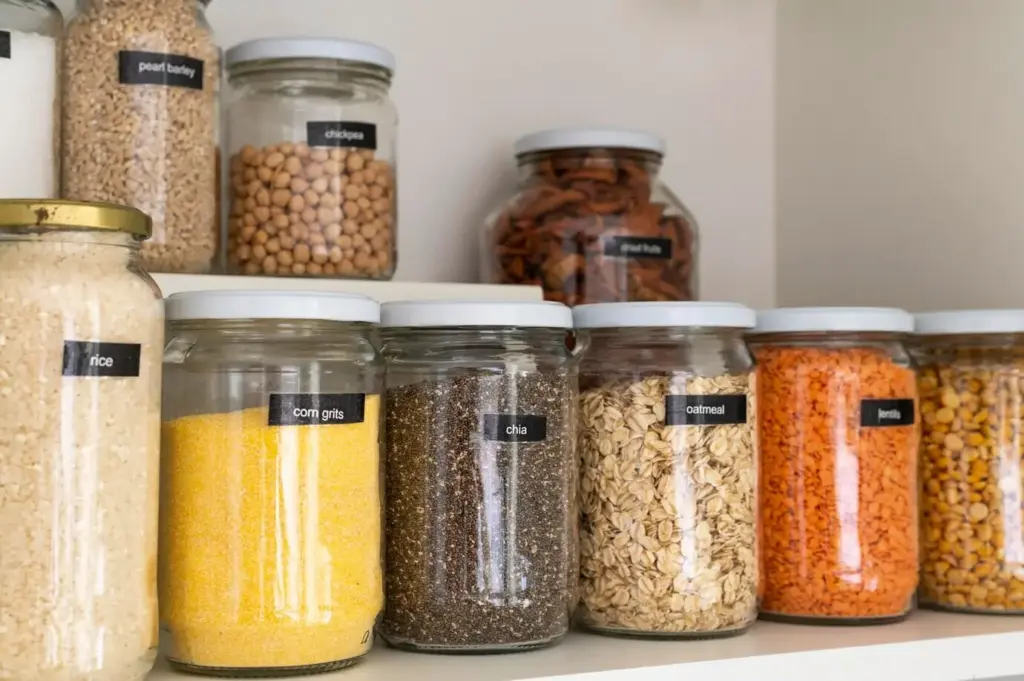
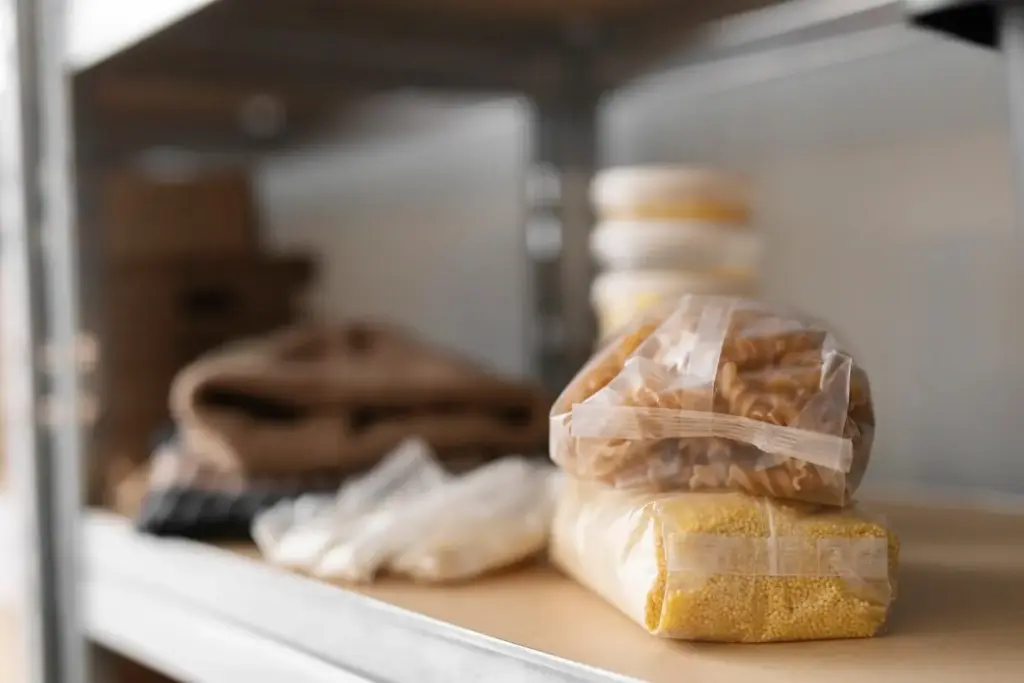
Stock jars with lentils, chickpeas, quinoa, rolled oats, and wholegrain pasta; they cook quickly and pair beautifully with almost any vegetable. Bring reusable bags to bulk bins, decant into labeled containers, and protect flavor with tight lids. Keep tomato paste, miso, tahini, and harissa nearby for instant depth. Store nuts and seeds in the fridge to preserve freshness. With a reliable pantry, you’ll make fast bowls, soups, and sautés while resisting impulse purchases and cutting down on packaging.
Choose two versatile base components each week, such as roasted sweet potatoes and a pot of brown rice, then remix them across multiple dinners. One night, layer with garlicky greens and lemony tahini; another, tuck into tortillas with salsa; finally, fold into a quick curry. This gentle repetition reduces decision fatigue, prevents forgotten produce from wilting, and helps you finish every last bite. Planning small, repeatable building blocks turns leftovers into intentional, crave‑worthy meals instead of neglected containers.
Start with what takes longest: get grains simmering, then chop vegetables while they cook. Preheat the oven immediately for sheet‑pan suppers, and soak cashews or quick‑soak beans while you set the table. Keep a kettle of hot water ready to speed pasta, couscous, or instant polenta. Use a large cutting board to avoid constant washing. These tiny rituals stack up, turning twenty minutes into a satisfying plate, and they gently nudge you toward using what you already have first.

Bold Flavors from Simple Staples

Plant‑based cooking shines when layers of flavor come from humble, affordable ingredients. A little umami, acidity, heat, and crunch can transform Tuesday into something special without generating waste. Think caramelized onions, a spoon of miso, a squeeze of citrus, and a shower of toasted seeds. Save jars and small containers for homemade sauces that stretch across several meals. When flavor is big and techniques are simple, it’s effortless to love your vegetables—and even easier to finish everything on the plate.

Root‑to‑Stem, Leaf‑to‑Seed Creativity
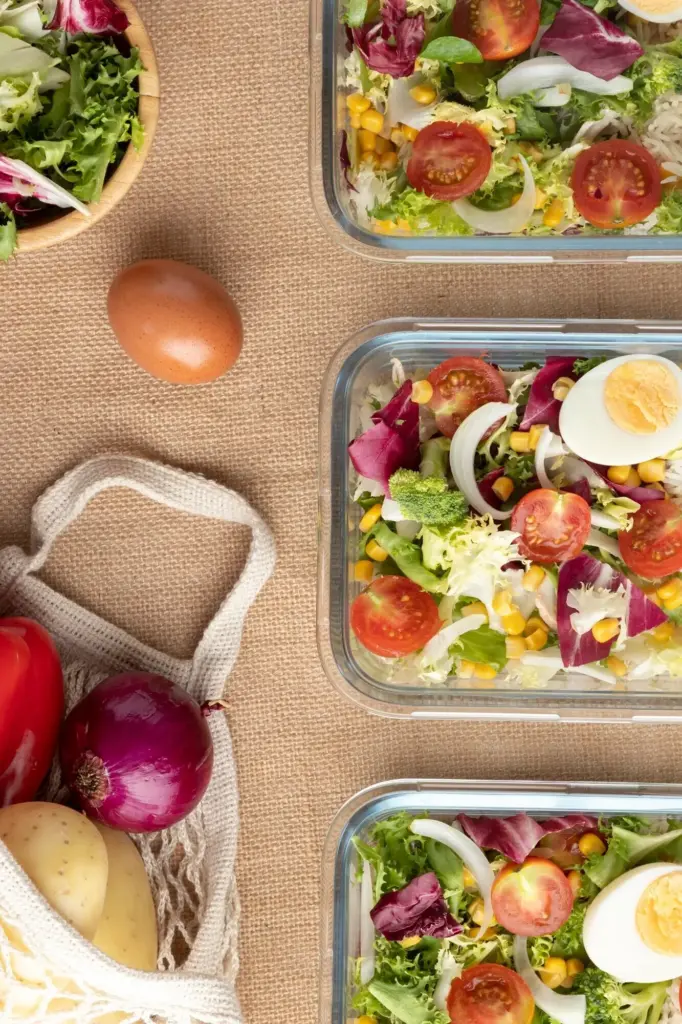
Using the whole vegetable is equal parts thrift and curiosity. Stems, peels, and greens bring texture and freshness when handled thoughtfully, turning what once seemed like scraps into prized ingredients. Broccoli stems become crunchy ribbons, beet greens wilt luxuriously into garlicky pasta, and herb stems infuse soups with fragrant backbone. Keep a labeled freezer bag for clean trimmings destined for stock. This approach stretches budgets, deepens flavor, and quietly cuts the environmental footprint of dinner, one satisfying bite at a time.

One‑Pan Triumphs

Toss chickpeas, cauliflower, and red onion with olive oil, cumin, and smoked paprika; roast on a hot sheet until crisp‑tender. While they caramelize, whisk tahini, lemon, and aquafaba for a drizzly sauce. Pile everything over warm flatbreads or leftover rice, shower with herbs, and dinner’s done. One pan means less water and soap, fewer dishes to scrub, and a simple path to consistent weeknight wins that feel generous without cluttering the sink or the trash with unnecessary waste.

Skillet Suppers with Big Payoff

Sauté garlic and chilies, add canned tomatoes, and crack in spoonfuls of hummus or dollops of silken tofu for a plant‑based shakshuka that’s saucy and satisfying. Alternatively, simmer gnocchi directly in vegetable stock with spinach and peas for a creamy, starch‑thickened skillet dinner. These approaches reduce pots, concentrate flavor, and encourage you to finish stray vegetables before they fade. The result is cozy, comforting plates that respect your time while quietly keeping food waste to an admirable minimum.

Wraps, Bowls, and Tacos Tonight

Use cooked grains as a neutral canvas, then layer roasted vegetables, quick‑pickled onions, crunchy cabbage, and a zingy sauce. Fold into tortillas, spoon into bowls, or stuff into romaine leaves for a fresh handheld. This flexible format welcomes fragments—half a pepper, a small wedge of onion, last night’s beans—so nothing gets lost. With a reliable structure and playful toppings, dinner becomes a customizable ritual that pleases different eaters while protecting your budget and reducing midweek stress and waste.

Storage, Safety, and Second Lives

Thoughtful storage keeps food delicious and safe while unlocking future meals. Cool leftovers quickly in shallow containers, label with dates, and practice first‑in, first‑out rotation. Glass jars protect flavor and transparency prevents forgotten items. Quick pickles, simple ferments, and the freezer extend abundance, transforming surplus into condiments and building blocks. When your kitchen supports visibility and easy access, you’ll use what you buy, finish what you cook, and feel proud of a routine that respects both flavor and resources.

01

Chill, Label, Rotate

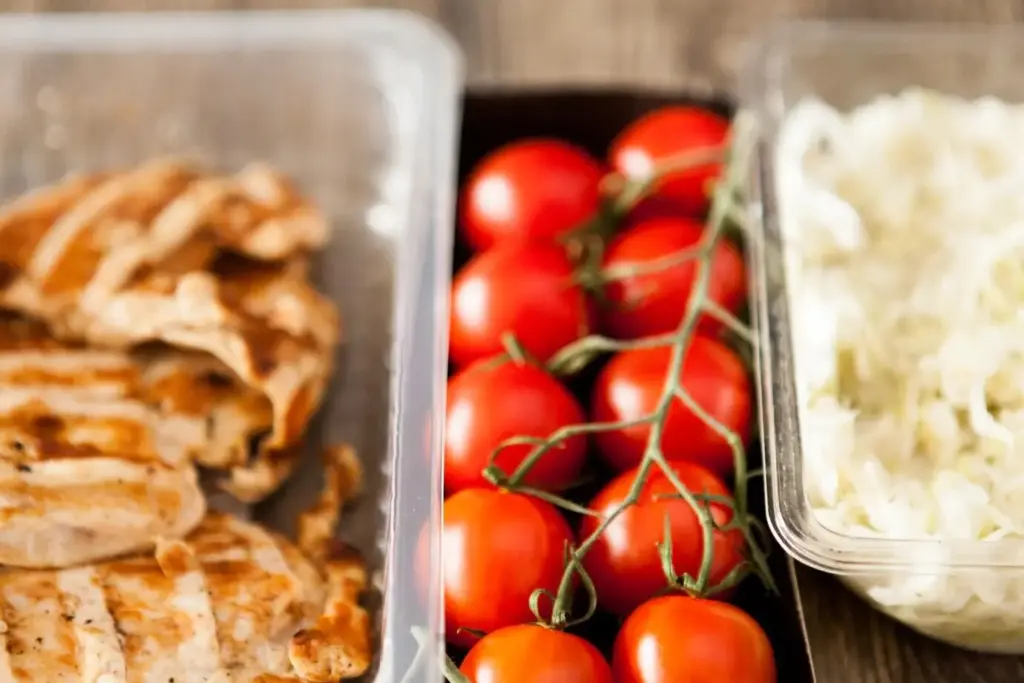
Divide leftovers into single‑meal portions so reheating is fast and safe. Use masking tape or erasable markers to label jars with contents and dates, and keep a small “eat first” zone at eye level. This simple structure prevents mystery containers and forgotten produce from spoiling. A tidy, predictable fridge reduces stress at 6 p.m., prevents duplicate purchases, and helps you track what’s working. With clarity and intention, you’ll waste less, save more, and actually look forward to weeknight cooking.

02

Pickle, Ferment, Brighten

Submerge sliced cucumbers, carrots, or radishes in a warm brine of vinegar, water, salt, and a touch of sugar; cool and refrigerate. In a few hours, you’ll have tangy toppers that revive bowls and sandwiches. Ferment cabbage with salt for sauerkraut that lasts weeks. These techniques extend shelf life, cut waste, and add dimension to simple meals. They also turn small odds and ends into stars, keeping your dinners exciting while supporting a calmer, more sustainable kitchen routine.

03

Your Freezer: A Flavor Bank

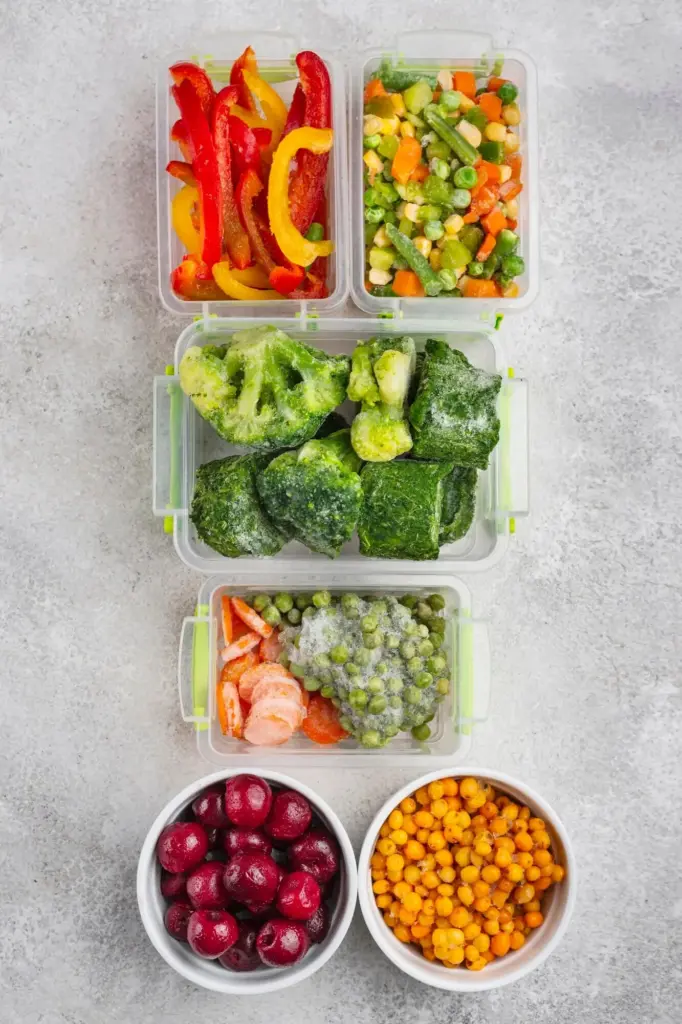
Freeze pesto in small cubes, cooked beans in flat bags, and ripe bananas for silky smoothies. Lay herbs on a tray before bagging to avoid clumps, and stash a jar of frozen ginger coins for instant zest. This habit saves money, captures peak flavor, and gives you options when days go sideways. With thoughtful labeling and rotation, the freezer becomes a treasure chest of building blocks that reduce waste and make last‑minute plant‑based dinners feel downright effortless and joyful.

Make It Social

Host a weeknight potluck with a playful rule: bring something that uses a leftover component creatively. Share surplus herbs, exchange spice blends, or swap containers. Post your favorite quick sauce online to inspire friends. Community makes accountability feel friendly rather than strict, and it turns small kitchen victories into shared stories. Together, you’ll waste less, spend smarter, and build a rhythm of delicious weeknights that feels festive, supportive, and wonderfully repeatable even when schedules are packed.

Five‑Minute Skill Builders

Set a tiny goal each night: practice a faster onion dice, toast seeds for crunch, or whisk a new dressing. These micro‑skills compound, making cooking faster and more intuitive. The better your instincts, the easier it is to improvise with what’s on hand, finishing produce before it fades. Confidence trims hesitation and waste, and it adds pleasure to routine. Share your quick wins with our community to motivate others and create a cycle of accessible, steady improvement.
Bebeautyshopmx
Privacy Overview

This website uses cookies so that we can provide you with the best user experience possible. Cookie information is stored in your browser and performs functions such as recognising you when you return to our website and helping our team to understand which sections of the website you find most interesting and useful.