Plan the Seasons on Your Plate

Join us as we explore seasonal meal planning strategies to reduce food waste and maximize nutrition, turning market trips into confident choices and home kitchens into practical, joyful spaces. We will highlight how aligning meals with harvest cycles preserves freshness, amplifies flavor, and saves money, while preventing wilted produce and forgotten leftovers. Expect smart lists, flexible cooking methods, and tips for safe storage. Share your own wins and questions, subscribe for fresh ideas, and let’s make every ingredient count across the changing seasons together.

Know the Harvest: Mapping Your Local Seasons
Find Peak Produce Near You

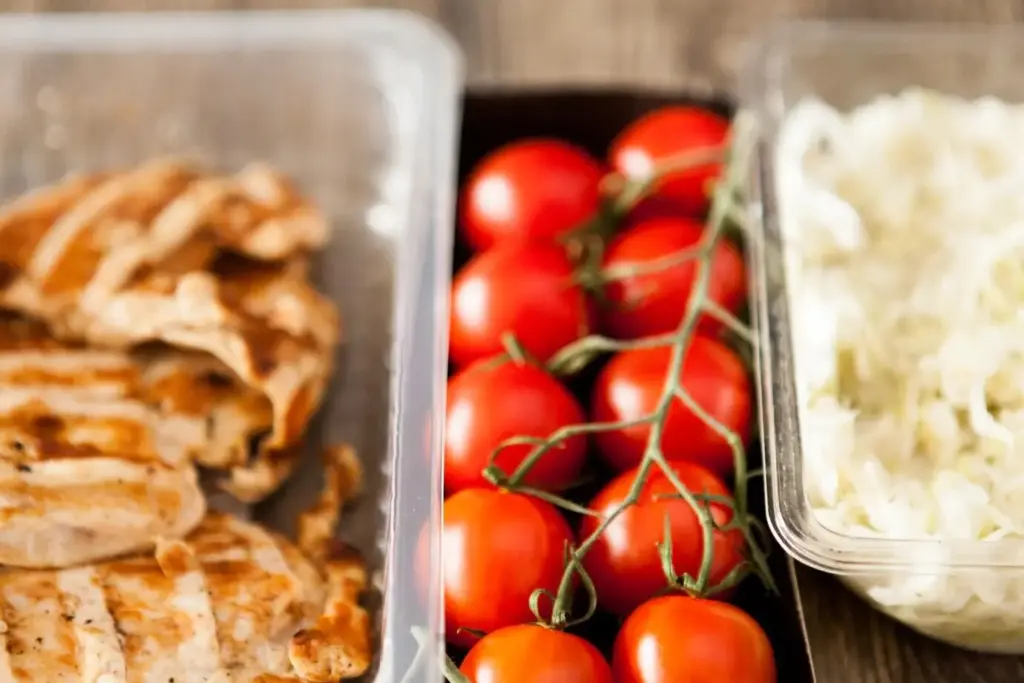
Begin by noting harvest windows using local agriculture sites, farmers’ market boards, or cooperative newsletters. Peak produce tastes better, travels less, and often costs less, which naturally reduces waste. When you plan meals around these windows, you buy only what you can use while ingredients are shining. Keep a rotating list of seasonal favorites on your fridge or phone, and refine it after each market visit by marking what was sweet, crisp, or particularly affordable.

Freshness Windows, Flavor, and Nutrients

Begin by noting harvest windows using local agriculture sites, farmers’ market boards, or cooperative newsletters. Peak produce tastes better, travels less, and often costs less, which naturally reduces waste. When you plan meals around these windows, you buy only what you can use while ingredients are shining. Keep a rotating list of seasonal favorites on your fridge or phone, and refine it after each market visit by marking what was sweet, crisp, or particularly affordable.

Build a Flexible Pantry Around the Calendar

Begin by noting harvest windows using local agriculture sites, farmers’ market boards, or cooperative newsletters. Peak produce tastes better, travels less, and often costs less, which naturally reduces waste. When you plan meals around these windows, you buy only what you can use while ingredients are shining. Keep a rotating list of seasonal favorites on your fridge or phone, and refine it after each market visit by marking what was sweet, crisp, or particularly affordable.

Shop Intentionally, Store Wisely
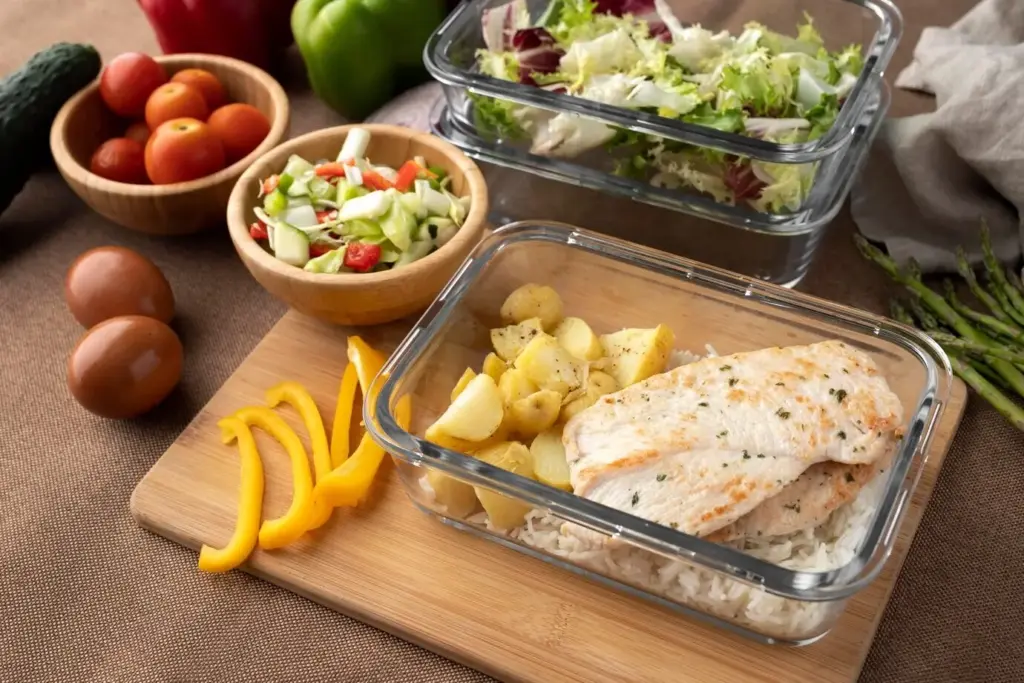
Smart shopping begins before you leave home. A quick inventory, a realistic plan for your week, and portion-aware lists protect both your budget and your crisper drawer. Storage techniques then safeguard freshness, using the right containers, humidity settings, and placement to extend life without sacrificing flavor. By grouping items with similar needs and labeling them clearly, you can spot what to use first. Together these steps reduce forgotten produce, random splurges, and the guilty feeling of tossing spoiled food.

Prep Once, Eat Well All Week

On a calm afternoon, prepare a pot of farro, a tray of roasted roots, and a batch of lentils. These neutral bases adapt to spring peas, summer tomatoes, or winter greens. Add a quick sauce, citrus, or toasted seeds to refresh flavors. When time is tight, you simply assemble rather than start from scratch. This method keeps groceries moving and prevents aging produce from lingering unused until it becomes compost instead of dinner.
Small jars of pesto, tahini-lemon sauce, harissa yogurt, or chimichurri turn simple ingredients into something exciting. Prepare two each week, focusing on herbs and aromatics that match seasonal produce. Drizzle onto bowls, toss with salads, or swirl through soups. Because these modules are concentrated, a little goes far, reducing last-minute takeout. Encourage household members to mix their preferred combinations, honoring different tastes while finishing ingredients on time. It is creativity, structure, and freedom sharing the same plate.
Many seasonal treasures freeze well when blanched or par-cooked, preserving color and nutrients. Corn kernels, berries, peas, tomato sauce, and roasted peppers all become future time-savers. Cool thoroughly, store in labeled flat bags for quick thawing, and portion realistically. Avoid freezing high-water greens or delicate lettuces unless cooked first. Keep a magnetic list of freezer contents to spark ideas. This safety net reduces waste during peak abundance and ensures bursts of seasonal flavor even on the busiest nights.

Nutrient Density Through Seasonal Diversity
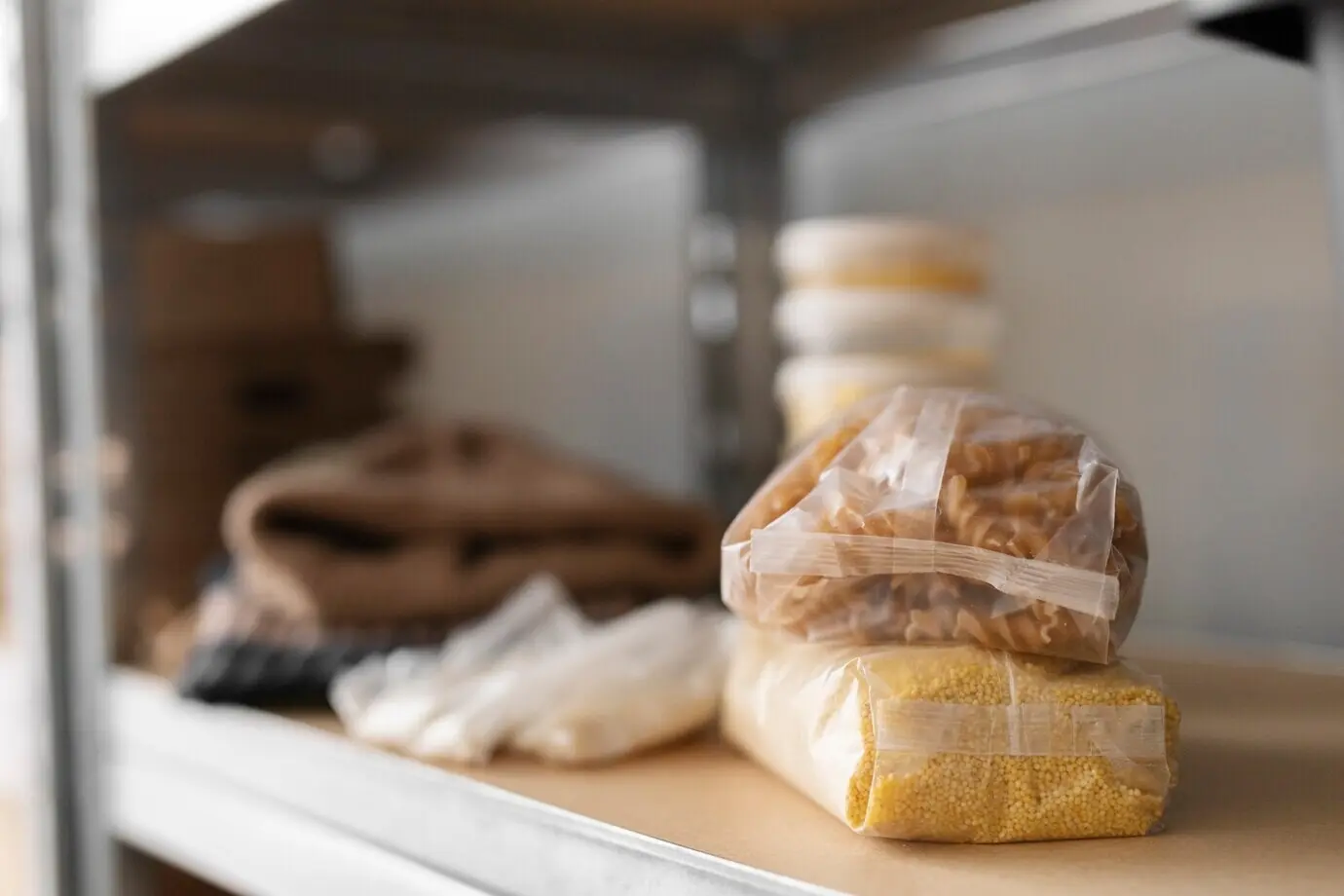
Eating with the seasons naturally increases variety, and variety supports comprehensive nutrition. Spring brings tender greens rich in folate; summer delivers lycopene-packed tomatoes and antioxidant berries; autumn offers beta-carotene roots; winter provides sturdy brassicas full of fiber and vitamin C. Combine colors for a broad micronutrient spectrum, and balance with proteins and whole grains. Gentle cooking techniques preserve vitamins while enhancing digestibility. With a few mindful choices, your plate becomes a vibrant rotation that nourishes energy, mood, and long-term wellbeing.

Turn Leftovers Into Tomorrow’s Favorites
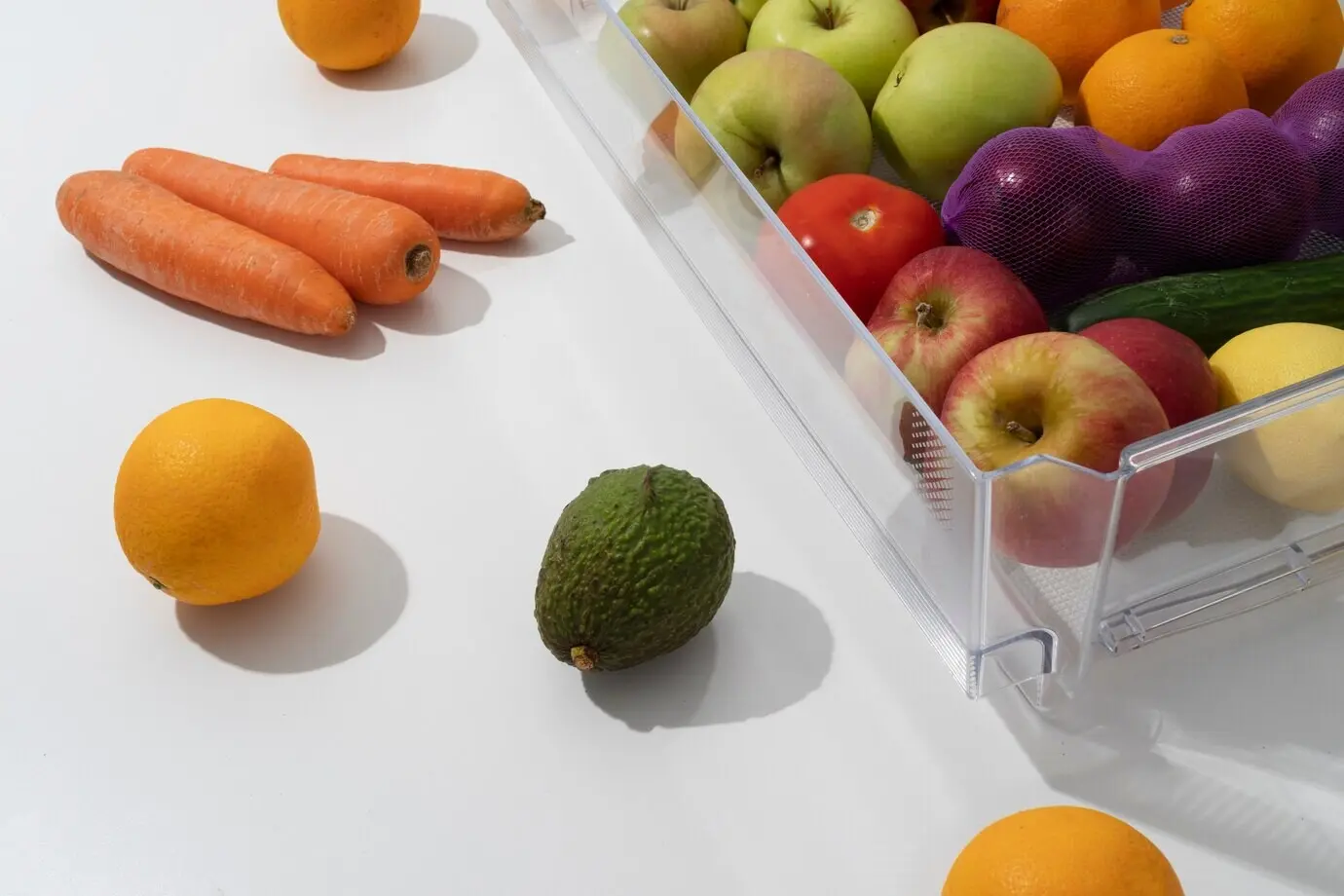
Leftovers become opportunities when guided by a few reliable frameworks. Roast chicken transforms into grain bowls, soups, or tacos. Extra roasted vegetables become frittatas, pesto pasta, or blended spreads. Wilt-prone herbs turn into dressings that rescue other ingredients. Learn safe storage windows, reheating techniques, and texture revivals that keep meals exciting. With a curious mindset and basic food safety, yesterday’s odds and ends evolve into satisfying lunches that prevent waste and spark new ideas without exhausting your budget.

Budget With Seasons and Sales

Watch weekly flyers and pair them with what is in season, then build meals around the overlap. Buy just enough at peak price drops and freeze extras as sauces or blanched portions. Track your average spend with a simple spreadsheet or note, and celebrate progress. Many readers report meaningful savings after two months of consistent planning. Redirect those savings into quality staples, better storage containers, or a market splurge that keeps cooking exciting and sustainable.

Timebox Prep and Protect Evenings

Choose one consistent window each week—perhaps Sunday afternoon—to wash greens, roast a tray, cook a grain, and blend a sauce. Set a timer to stay focused, and stop when it rings, trusting that partial prep still helps. Protect weeknights by scheduling the simplest meals on your busiest days. When late meetings happen, you will still eat something balanced and comforting. This habit lowers stress, reduces takeout waste, and keeps your cooking joyful rather than exhausting.

Join a Community That Reduces Waste

Consider community-supported agriculture, neighborhood produce swaps, or shared cooking clubs. These connections bring variety, fair prices, and accountability that keeps ingredients moving. Swap recipes for quick sauces, share surplus herbs, and trade freezer-friendly portions after big batch days. Post your seasonal wins and challenges, ask for advice, and cheer others on. Collective momentum builds resilience, reduces waste across households, and turns personal goals into a friendly, supportive experience that continues season after season with genuine enthusiasm.
Bebeautyshopmx
Privacy Overview

This website uses cookies so that we can provide you with the best user experience possible. Cookie information is stored in your browser and performs functions such as recognising you when you return to our website and helping our team to understand which sections of the website you find most interesting and useful.