Crisp Jars, Tangy Bubbles, and Lasting Goodness
Today we dive into fermentation, pickling, and canning as practical, delicious ways to extend freshness while supporting digestive well-being. You will learn how salt, acid, and heat work together to transform produce into vibrant pantry staples, reduce waste, and keep seasonal flavor within reach. With approachable steps, safety checklists, and stories from real kitchens, we will show how bubbles signal friendly microbes, brines protect crunch, and sealed lids hold time still. Bring curiosity, a few jars, and your favorite vegetables; together we will preserve more than food, nurturing confidence, community, and everyday joy.

Understanding the Preservation Trinity
Fermentation, pickling, and canning each safeguard food in distinct yet complementary ways. Fermentation invites beneficial microbes to produce acids and flavor; pickling adds acidity directly for quick results; canning uses heat to stop spoilage cold. Appreciating these differences helps you choose the right method for your ingredients, schedule, and taste goals, while building habits that protect texture, color, safety, and nutrients. We will connect science with sensory experience so every jar feels intentional, reliable, and exciting to open.

Fermentation in Action

Salt draws moisture from vegetables, creating a brine that shelters lactic acid bacteria. These friendly microbes lower pH, produce tangy complexity, and can contribute living cultures when stored properly. Expect gentle bubbling, a slightly cloudy brine, and deepening aromas as days pass. Because fermentation is alive, temperature and salt percentage steer pace and flavor. Embrace tasting as your guide, adjusting time to find the crisp snap and brightness you love without losing safety or balance.

Pickling with Purpose

Vinegar pickles rely on a well-balanced brine that quickly drops pH below the danger zone, putting control squarely in your hands. This approach shines when you want predictability, speed, and shelf-stable brightness after proper processing or reliable refrigeration. Herbs, spices, and sweeteners shape personality while calcium-rich leaves or a pinch of calcium chloride help maintain crunch. Unlike fermented jars, these pickles are not living cultures, yet they deliver reliable tang, bold color, and consistent results across many vegetables.

Canning That Locks In Time

Canning applies controlled heat to drive out air, create strong vacuum seals, and stop spoilage organisms from growing. High-acid foods typically suit water-bath canning, while low-acid foods demand pressure canning to deter botulism risk. Headspace, jar preparation, and processing time must be measured carefully and matched to altitude. The reward is convenient, shelf-stable jars ready for busy nights, thoughtful gifts, or winter meals when markets sleep. Proper labeling ensures you track batches, flavors, and proud milestones.

Jars, Lids, and Weights

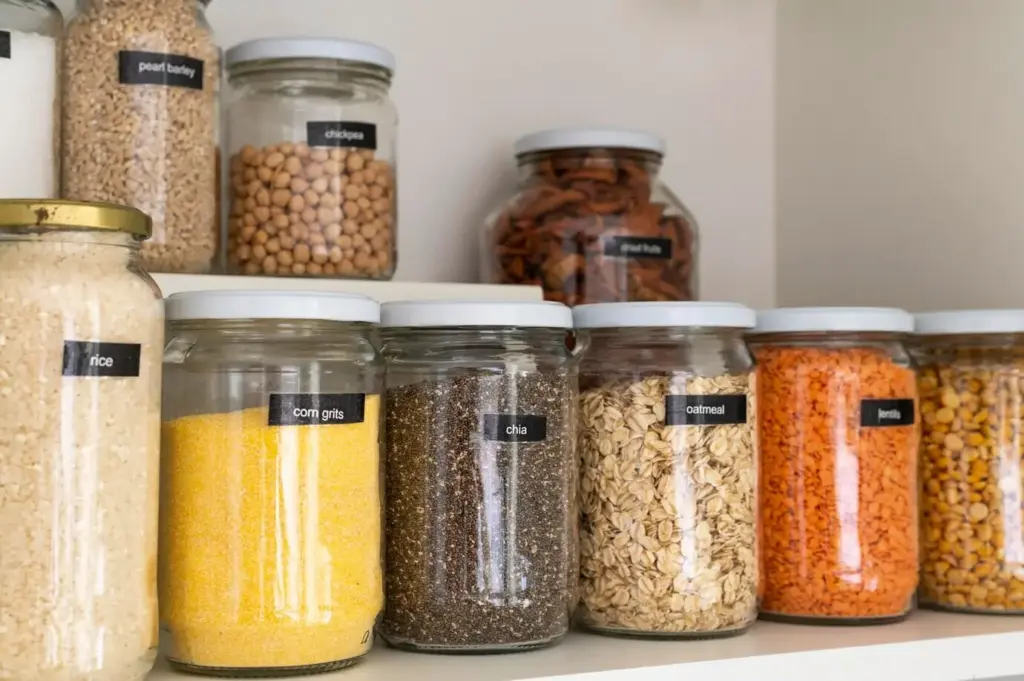
Select jars with shoulders suitable for fermenting vegetables and straight-sided jars for easy packing and removal. Inspect rims for chips and always use new lids for canning to ensure reliable seals. Glass or ceramic weights prevent floating pieces from inviting surface yeast, while airlock lids can reduce oxygen exposure. Keep everything scrupulously clean, rinse away soap residue, and label your jars clearly with date, salt ratio, and ingredients so you can repeat favorites and track subtle improvements confidently.

Salt, Vinegar, and Water

Non-iodized salt, such as kosher or pickling salt, dissolves cleanly and avoids iodine flavors in ferments and pickles. Filtered water prevents chlorine from inhibiting beneficial microbes. Choose vinegars with at least 5 percent acidity for safe pickling; apple cider vinegar lends warmth, while white distilled vinegar keeps flavors crisp. Balance brines with measured sweetness that supports spices without overwhelming vegetables. When precision matters, weigh salt based on produce weight. This simple accuracy pays dividends in consistent texture and dependable tang.

Thermometers and pH Strips

A reliable kitchen thermometer helps verify target temperatures for heating brines and processing jars, especially at altitude where boil points shift. pH strips or a calibrated meter provide extra confidence that acidity sits safely below 4.6, particularly for pickling. While not strictly required for every batch, these tools support learning, troubleshooting, and experimentation. Over time, you will develop instincts, but data-backed decisions remove worry, enabling bolder spice blends, creative produce combinations, and graceful adaptations when seasonal conditions change unexpectedly.

Designing Flavors and Textures

Great jars begin with flavor maps that respect the vegetable, its water content, and your desired crunch. Consider salinity, acid source, and spice layering as a single chorus rather than separate notes. Temperature and time fine-tune crispness and sourness, while cutting shapes determine bite and brine penetration. Drawing inspiration from family traditions and global kitchens gives your pantry identity and memory. Keep a notebook where every experiment becomes a future classic, annotated with honest impressions and improvements.

Gut-Friendly Benefits Without the Hype

Fermented foods can offer living cultures and flavorful acids that complement a fiber-rich diet, while pickles and canned goods extend access to vegetables that support overall eating patterns. Everyone’s digestion is personal, so introduce new jars gradually and listen to your body. Pair tangy bites with whole grains, legumes, and colorful produce to invite balance. For specific health conditions, consult professionals. Our goal is joyful, sustainable habits built on taste, variety, and mindful portions rather than sweeping promises or strict rules.

Seasonal Planning and Pantry Management

Spring and Summer Momentum

As markets burst with tender vegetables, choose fast projects that celebrate freshness. Quick ferments of radish, carrot, and snap peas turn weeknight dinners into celebrations. For pickling, chase cucumbers at their peak firmness, and heat-process only what you will store beyond the season. Build stamina with small, joyful batches so enthusiasm stays high. Invite neighbors to a tasting, trade ideas, and split spice purchases. Early victories build confidence that carries into bigger harvests, busier schedules, and braver experiments later.

Autumn Harvest, Big Batches

When fields turn golden, larger projects make sense. Sauerkraut, kimchi, and beet kvass thrive in cooler rooms, while pressure canning broths and beans sets you up for cozy months. Schedule a weekend with music, helpers, and a labeling station ready. Keep notes on headspace, processing times, and taste at each step. Photograph your jars to track clarity and color across seasons. These rituals transform preservation from chores into celebrations, and your winter pantry becomes proof of foresight, friendship, and craft.

Labeling, Rotation, and Sharing

Clear labels are small kindnesses to your future self. Include date, method, salt or acid ratio, spice highlights, and batch size. Store newer jars behind older ones so you reach for what is ready first. Schedule monthly tastings to assess texture and vibrancy, then plan meals accordingly. If a shelf fills, share jars generously; feedback from friends becomes free research. A tidy, loved pantry reduces waste, saves money, and turns routine cooking into inspired, gratitude-filled moments again and again.

Recognizing Healthy Ferments

Look for submerged vegetables, tiny bubbles rising slowly, and brine that shifts from clear to lightly cloudy without strange colors. Aromas should be bright, tangy, and vegetal, never putrid or yeasty in a harsh way. If something seems questionable, trust your senses and compost it. Prevent future issues by using sufficient salt, clean tools, and a weight to keep pieces under brine. Cooler temperatures slow fermentation and often improve crispness. Keep notes so patterns and solutions become second nature.

Fixing Common Pickling Problems

If pickles turn soft, consider pre-soaking cucumbers in ice water, trimming blossom ends, and measuring vinegar strength accurately. Cloudy brine can result from hard water or ground spices; choose filtered water and whole spices for clarity. Bitter flavors often mellow with time, but extreme bitterness signals a flawed cucumber or brine ratio. Rely on reputable formulas and adjust spices first, not acid, to protect safety. When in doubt, make a tiny test jar and evaluate after a few days.
Bebeautyshopmx
Privacy Overview

This website uses cookies so that we can provide you with the best user experience possible. Cookie information is stored in your browser and performs functions such as recognising you when you return to our website and helping our team to understand which sections of the website you find most interesting and useful.