Build a Plastic‑Free Bulk Pantry for Better Home Cooking
Today we dive into plastic‑free bulk pantry and storage systems for nutritious home cooking, celebrating practical choices that protect flavor, reduce waste, and empower daily meals. Expect clear guidance, friendly stories, and useful checklists that help you stock staples, organize shelves, and cook vibrant, wholesome dishes while keeping microplastics and needless packaging out of your kitchen and community.

Containers That Protect Flavor and Planet
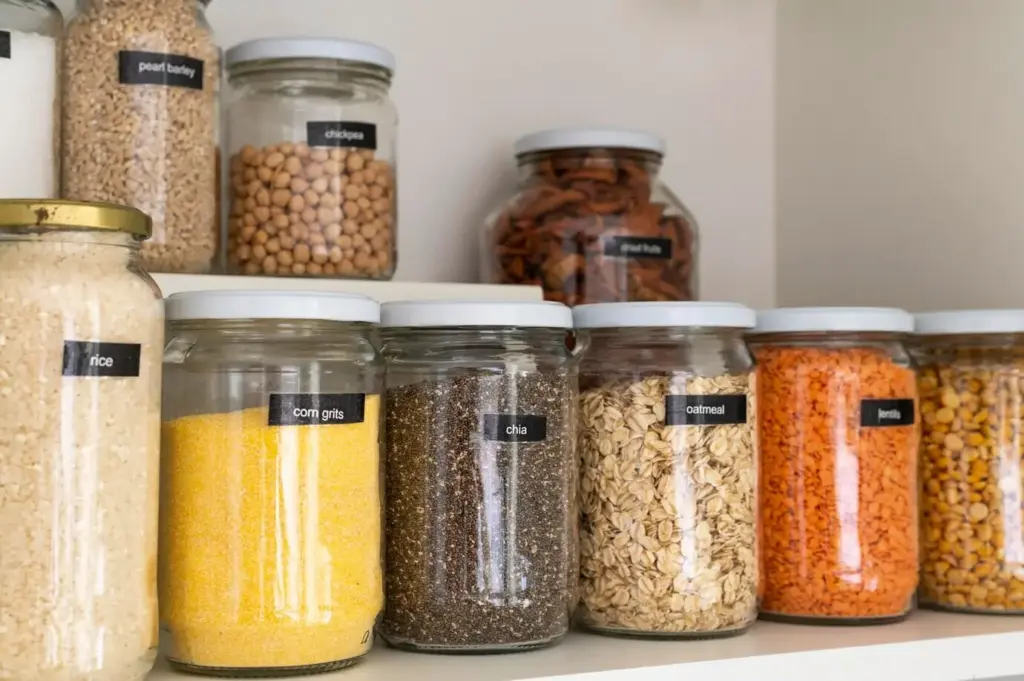
Use clear jars for visibility and momentum: you cook more when you can see your ingredients. Weck jars with glass lids and natural rubber rings provide reliable seals, while mason jars pair well with stainless‑steel lids for longevity. Dark amber bottles protect light‑sensitive oils, and wide‑mouth jars encourage easy scooping with wooden utensils, preventing chips and smoothing your workflow from bulk bin to simmering pot.
Food‑grade stainless steel canisters shine for coffee, tea, and quick‑turnover grains, especially when paired with airtight clamps and natural rubber gaskets. Thin steel allows quick visual checks by weight and sound, while opaque walls shield delicate nutrients from light. Add thoughtfully sized containers to limit headspace and oxidation. For scoops, pick stainless or wood to keep the setup plastic‑free, durable, and cleanable without lingering smells.
Ceramic crocks with tight‑fitting lids stabilize temperature for flour and oats, reducing flavor staling. Beeswax wraps safely cover bowls of nuts or crackers for short‑term storage and quick snacking. Wooden barrels or boxes, lined with paper, organize produce like onions or garlic away from sunlight. Keep gaskets natural rubber or cork, and maintain them with mild soap, ensuring seals remain resilient without synthetic coatings that might degrade over time.

Plan Your Core Staples

Anchor your pantry with versatile building blocks: oats, brown rice, quinoa, lentils, chickpeas, whole‑grain flours, nuts, seeds, and a lively spice set. Map them to favorite meals you actually cook on weeknights. This practical mapping avoids impulse purchases that linger, ensuring your jars rotate naturally and your dinners consistently feature nutrient‑dense staples that support fiber intake, stable energy, satisfying textures, and reliable flavor every time you open a container.

Portion for Freshness

Break big buys into usable sizes to limit air and moisture exposure. Store a working jar upfront and the rest sealed in back stock. Smaller jars empty faster, prompting gentle rotation without waste. Date each container, record weight or volume, and keep a simple notebook or digital note so refills happen before panic. This rhythm delivers fresher flavors, fewer stale surprises, and confident, plastic‑free shopping sessions.

Shop with Community

Co‑op memberships, buying clubs, and neighborhood text threads turn large sacks of beans or grains into manageable, affordable portions. Share a hand scale, circulate spare jars, or organize monthly refill walks to the local grocer. Community reduces packaging, improves price per unit, and sparks recipe exchanges. When your calendar nudges a refill day, a friend’s reminder and a cheerful jar clink make sustainable habits feel social and truly enjoyable.

Organization That Saves Time and Nutrition

A clear system turns shelves into a cooking engine. Group by function—breakfast grains, legumes, baking, snacks, spices—so decisions happen at a glance. Keep high‑turn items within easy reach and delicate goods away from heat and light. Label diligently, minimize headspace, and choose containers sized to your actual usage. The result: faster meals, less waste, confident nutrition, and a kitchen that invites creativity rather than cluttered second‑guessing.

Labeling That Actually Helps

Write the ingredient, cooking ratio, and date on reusable slate tags or paper labels affixed with natural adhesive. Add soak times, pressure cooker minutes, or flavor pairings, turning every jar into a friendly cheat sheet. Consistent labels reduce mental load dramatically, making it easier to improvise weekday dinners. When you can trust your labels, you use what you have, avoid duplicates, and cook healthier without scrolling for instructions mid‑stir.

Shelf Zones and Airtight Priorities

Place everyday jars at eye level, baking goods in a cool, lower cabinet, and spices away from oven heat. Oils belong in opaque containers or dark corners. Airtight seals matter most for nuts, seeds, coffee, and whole‑grain flours. Keep a small tray for open‑soon items so they never hide behind something bulky. This simple geography turns your pantry into a purposeful map that encourages steady rotation and delicious momentum.

Rotation Rituals That Stick

Adopt first‑in, first‑out by putting fresh refills behind working jars, not on top. Note dates clearly and schedule a quick Sunday rotation scan while the kettle boils. Celebrate empties—it means the system works. Refill immediately to preserve routine, and snap a photo of low jars to guide your next bulk stop. Gentle habits, not strict rules, keep nutrition flowing and prevent ingredient fatigue or accidental waste.

Keep It Cool, Dark, and Dry

Excess heat speeds rancidity in oils, nuts, and whole‑grain flours, while light degrades delicate flavors. Maintain airflow and avoid storing near dishwashers or ovens. If humidity spikes, add breathable paper liners or moisture‑absorbing clay stones kept outside food containers. Clean spills immediately, especially sugary ones. These basics do more for shelf life than gadgets, supporting real nutrition, reliable texture, and day‑to‑day joy when you open a well‑kept jar.

Stop Pantry Moths Before They Start

Quarantine new bulk buys in sealed glass for a week and consider a short freeze to disrupt eggs. Regularly inspect lids and jar rims for perfect seals. Bay leaves or whole cloves in nearby drawers discourage pests without contaminating food. If you catch an issue, compost or discard affected goods, wash containers with hot soapy water, dry completely, and reset confidently. Vigilance now saves entire shelves later, preserving calm and resources.

Know Each Food’s Clock

Whole spices last longer than ground; grind small amounts fresh for punchy flavor. Brown rice, nut flours, and seeds contain oils that can go rancid—store cool and rotate quickly. Dry beans keep well yet cook slower with age, so date jars and prioritize older batches. These friendly clocks help you cook at peak quality, reduce waste, and maintain that satisfying, plastic‑free cycle of buying, decanting, and delightfully using.

Cooking Abundantly from the Bulk Pantry
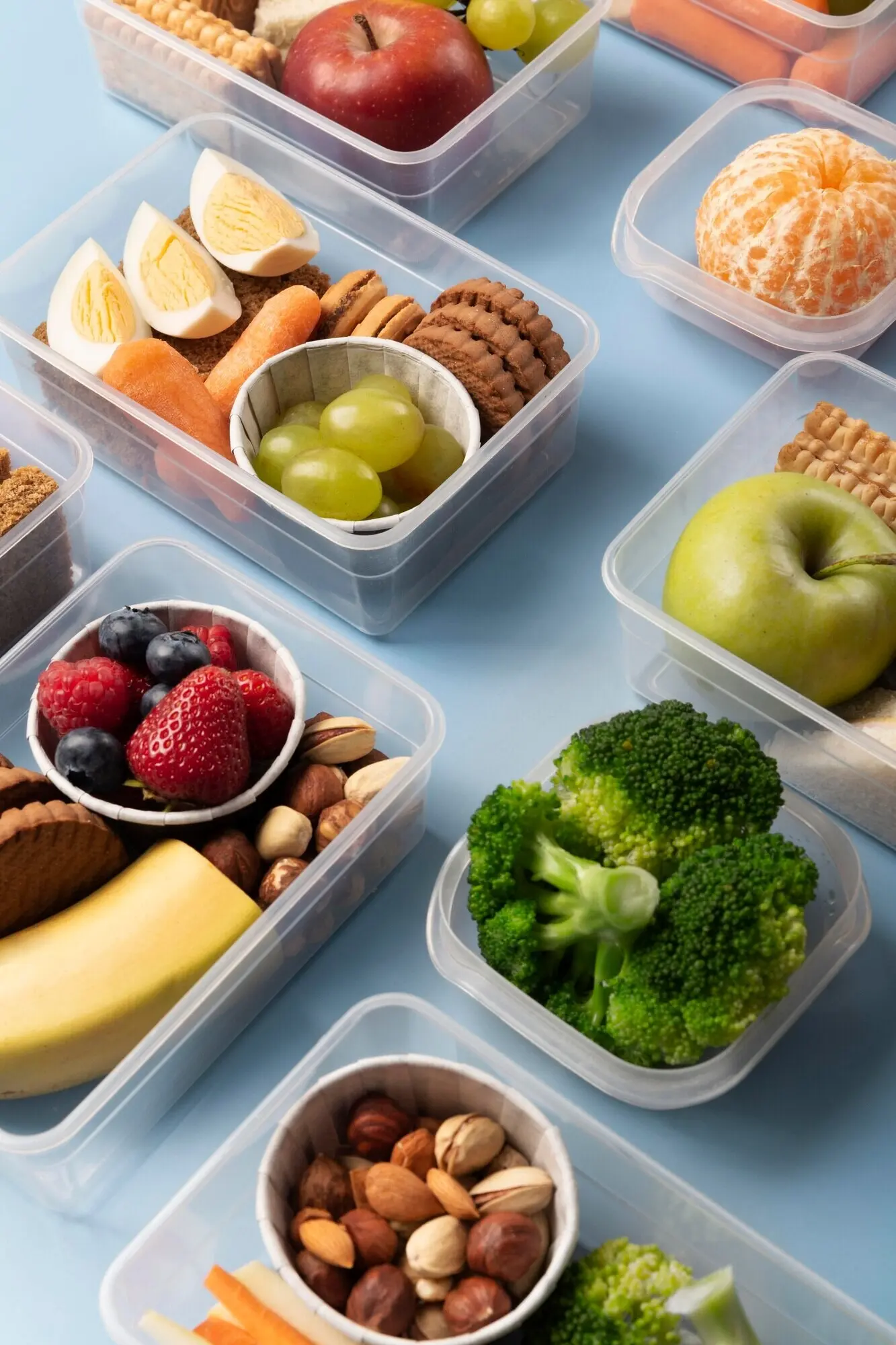
A thoughtfully stocked pantry transforms into effortless meals: soups that welcome legumes, grain bowls layered with seasonal produce, and quick bakes fueled by whole flours and seeds. Build flavor with fresh‑ground spices, toasted nuts, and aromatic bases. Keep a few reliable formulas ready, then improvise with what is on hand. Cooking becomes easier, healthier, and more joyful when your shelves visually coach you toward wholesome, plastic‑free choices.

Beans That Behave

Soak beans in lightly salted water for creamier interiors and tender skins; a pressure cooker reveals weekday magic without plastic liners. Keep kombu for minerals and digestibility, and store cooked leftovers in glass for quick lunches. Batch‑cook two varieties weekly, rotate through colors for diverse phytochemicals, and celebrate the dozens of soups, salads, dips, and tacos that appear when legumes are visible, labeled, and ready to play.

Grains That Shine

Toast dry grains briefly to unlock aroma, then cook with clear water ratios noted on your labels. Mix textures—chewy barley with fluffy quinoa—or fold warm grains into salads with citrus, herbs, and roasted vegetables. Whole grains deliver fiber, minerals, and steady energy. By decanting carefully and protecting from light, you preserve those nuanced flavors that make simple bowls deeply satisfying, inexpensive, and perfectly suited to busy, nourishing routines.

Quick Flavor Frameworks

Rely on flexible formulas that invite whatever your jars offer: aromatic base, spice bloom, protein, vegetable, acid, and crunch. A tahini‑lemon drizzle elevates grain bowls, while toasted seeds invigorate soups and stews. Keep chili, curry, and herb blends fresh by grinding small batches. With these frameworks, weeknights flow smoothly, encouraging you to keep refilling jars, exploring refilleries, and sharing discoveries with friends who love delicious, low‑waste meals.

Cleaning and Care Without Microplastics

Wash containers with warm soapy water, rinse thoroughly, and air‑dry completely before refilling. Avoid abrasive synthetics; use natural fiber brushes and unscented soaps to keep residues from clinging. Refresh lingering odors with baking soda, sunlight, or a brief vinegar rinse. Periodically inspect seals, compost worn paper liners, and log maintenance dates on a small card. This gentle care protects freshness and keeps every refill tasting bright, honest, and clean.

Refill Adventures and Etiquette

Pack a lightweight tote of empty jars, a cloth for accidental drips, and a small scale if your shop requests tare verification. Weigh first, then fill carefully, respecting communal scoops and shared spaces. Ask staff about sourcing; those conversations shape better options. Celebrate small wins by snapping a photo of your tidy jars at home. These rituals transform errands into meaningful routines that nourish you and reduce packaging for everyone.

Join the Conversation and Share Wins

We would love to hear your pantry victories, from discovering the perfect glass lid to finally nailing bean timing. Comment with tips, post a shelf snapshot, or request a troubleshooting guide. Subscribe for seasonal bulk planners, printable labels, and batch‑cooking templates. Your questions steer future articles, and your ideas inspire others to try one more refill, one more organized shelf, and one more nourishing, plastic‑free dinner tonight.

Bebeautyshopmx
Privacy Overview

This website uses cookies so that we can provide you with the best user experience possible. Cookie information is stored in your browser and performs functions such as recognising you when you return to our website and helping our team to understand which sections of the website you find most interesting and useful.