Cook Every Part: Flavor, Nutrition, and Respect at Home
Proudly step into Root-to-Stem and Nose-to-Tail Cooking for Nutrient-Rich Meals at Home, where thrift meets creativity and nourishment. We’ll celebrate edible peels, leafy tops, bones, and humble cuts, transforming them into vibrant dishes. Expect practical techniques, heartfelt stories, and zero-judgment guidance that turn everyday groceries into extraordinary, waste-reducing meals.

Whole-Ingredient Wisdom in Your Kitchen
Cooking with the entire plant and animal invites you to notice flavors, textures, and micronutrients that usually disappear in the trash. By learning gentle preparation, you’ll gain confidence, cut costs, and nourish your body. This welcoming approach rewards curiosity, respects producers, and brings surprising brightness to soups, sautés, salads, and desserts without demanding special equipment or professional training.

Smart Sourcing and Respectful Selection

Conversations at the Market

Approach butchers and farmers with specific questions: Which bones are best for pressure-cooker broth? How should I clean pig skin? Can you save carrot tops for me? These interactions build trust, reveal hidden inventory, and often lead to custom cuts, recipe ideas, and budget-friendly bundles tailored to your cooking plans.

Season and Locality as Guides

When cabbage is crisp and sweet, its cores roast beautifully; in spring, radish tops blitz into lively sauces. Local fishmongers may have heads ideal for curry when runs are strong. Follow seasons to capture peak nutrition, minimize spoilage, and pair cooking techniques with weather, appetites, and energy use at home.

Safe Handling and Storage

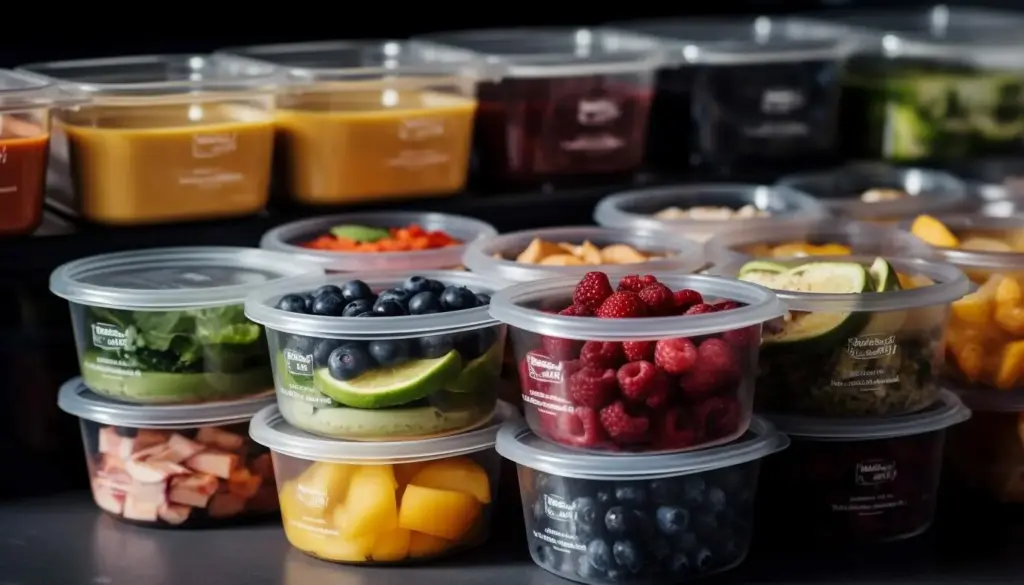
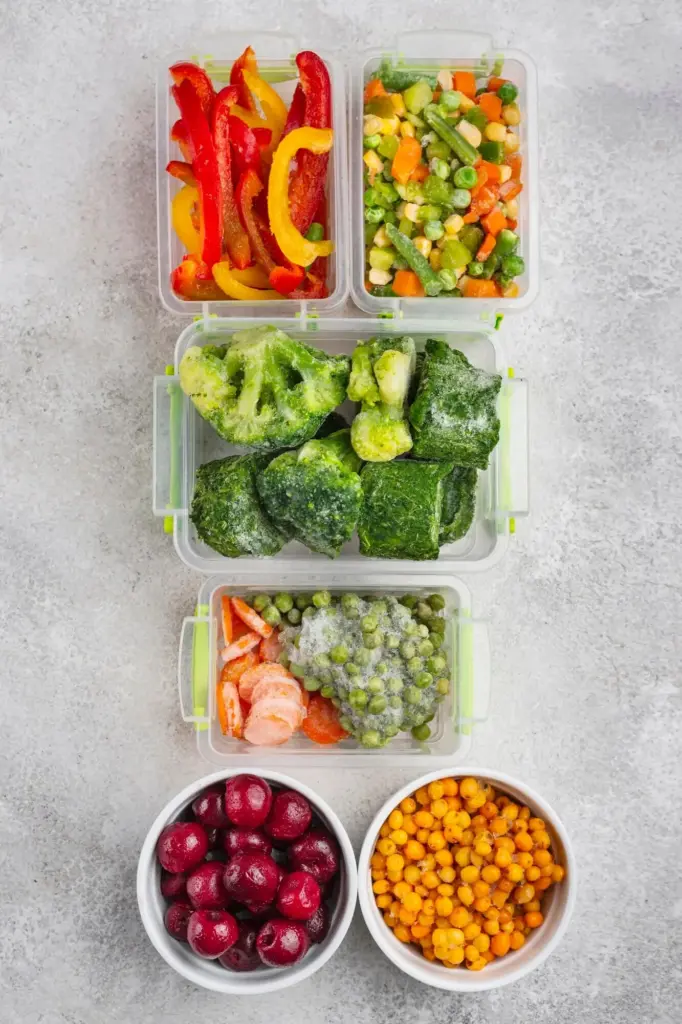
Label bone bags, blanch greens before freezing, and keep organ meats very cold. Acidic marinades tame aromas and protect texture, while salt cures offer convenience and longevity. Understanding temperatures, cross-contamination risks, and storage timelines keeps your refrigerator organized, your cooking relaxed, and your meals deliciously safe for family and guests.

Techniques that Make Every Part Shine
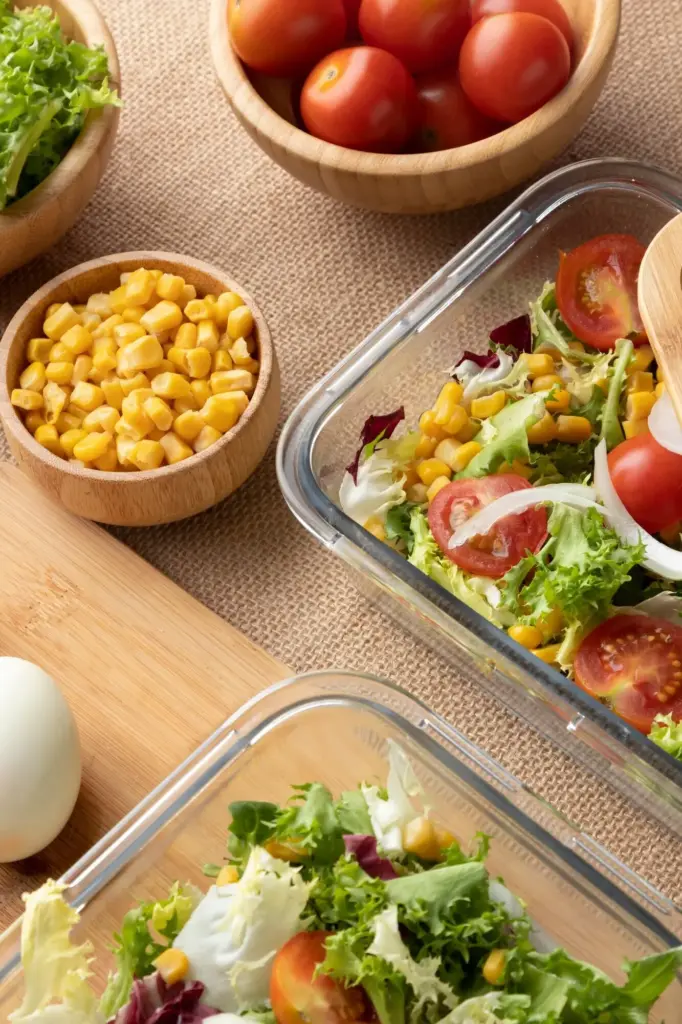
Technique turns potential into pleasure. Blanching softens fibrous stems; shaving reveals crunch; pressure-cooking coaxes minerals from bones; slow braises tenderize collagen; quick sears highlight delicate organs. Layering acids, fats, and salts balances intensity. With a few repeatable methods, you transform scraps into staples, broths into sauces, and leftovers into tomorrow’s delights.

Stocks, Broths, and Mineral-Rich Infusions

Roast bones for depth, add vinegar for better extraction, and include onion skins or leek tops for color. Simmer gently to avoid cloudiness, then cool quickly for food safety. Freeze in flexible portions, enrich with herb stems, and elevate grains, stews, and sauces while reducing dependence on store-bought cubes. Label each container with date and flavor notes for easier midweek planning.

Pickling, Fermenting, and Bright Preserves

Quick-pickle chard stems with chilies and garlic for crunchy brightness. Ferment shredded broccoli stalks with salt, ginger, and a little whey to build tangy complexity. Candy citrus peels or blitz them into pastes that perfume marinades. These projects extend shelf life, reduce waste, and add acid-driven sparkle to rich preparations.

Flavor-First Ideas for Everyday Meals

Weeknights crave speed and satisfaction. Build bowls with grains cooked in bone broth, sautéed beet greens, shaved stems, roasted skins, and a drizzle of herb-stem chimichurri. Sprinkle crispy bits from rendered trimmings for contrast. Balance intensity with citrus, yogurt, or pickles, and enjoy meals that feel inventive yet wonderfully doable.

Weeknight Plant Bowls with Leafy Tops

Turn carrot-top pesto into a five-minute sauce, toss with warm beans, and crown with quick-sautéed radish leaves. Shave celery and broccoli stems for crunch, then add lemon zest and chili oil. This medley tastes fresh, uses overlooked parts, and energizes tired evenings with color, affordability, and nutrient density.

Comfort Broths with Bones and Aromatics

Simmer chicken backs with onion skins, mushroom stems, and a splash of cider vinegar. Add barley or farro for body, then stir in chopped beet greens at the end. The aroma calms, the minerals nourish, and the leftovers become a base for tomorrow’s sauces, risottos, and casseroles.

Reducing Waste at Home

Keep a chilled container for stock scraps, a jar for citrus peels, and a plan for greens. Rotate older items forward, schedule broth night weekly, and post a reminder on the fridge. Small rituals build momentum, cut trash, and quietly change how you see value in ingredients.

Stretching the Food Budget

Buying bones, organs, and sturdy greens costs less, especially when purchased in bulk or directly from producers. Combine inexpensive parts with aromatics and time, then repurpose leftovers thoughtfully. The result is generous eating, abundant nutrition, and savings that support other priorities like quality spices, durable pans, or a farmers’ market subscription.

Community Table and Shared Learning

Change becomes easier when shared. Host a potluck where everyone brings a dish using peels, tops, bones, or lesser-known cuts, and trade methods. Document discoveries, mishaps, and wins. Invite readers to comment, ask questions, and subscribe for seasonal guides, new recipes, kitchen science explainers, and supportive, judgment-free feedback.
Bebeautyshopmx
Privacy Overview

This website uses cookies so that we can provide you with the best user experience possible. Cookie information is stored in your browser and performs functions such as recognising you when you return to our website and helping our team to understand which sections of the website you find most interesting and useful.